

By Emma Rodriguez
In a moment when global crises no longer feel distant, two domains stand out for their far-reaching impact: climate change and territorial disputes. As nations struggle to keep their climate promises and wrestle with strategic competition in contested seas, the consequences ripple across borders—including for places like Puerto Rico.
The Climate Crossroads: Agreements Beyond Promises
The Paris Agreement remains central to global efforts to limit warming, partly because it created a framework that encourages countries to set targets and report on their progress. Yet even as more than 130 nations have submitted updated Nationally Determined Contributions (NDCs), projections suggest that global emissions will continue rising unless commitments are fully met—with declines only if conditional pledges come through. These numbers reflect not failure to care, but the immense challenge of aligning ambition with action.
One of the core tools for accountability, the Paris Agreement Implementation and Compliance Committee (PAICC), has seen increased engagement. As of mid-2026, 149 parties have communicated new NDCs. Still, dozens have yet to file required reports under transparency rules, particularly among less developed and small island states. Delays are not merely bureaucratic; they undermine trust and make it harder to measure real progress.
Why Small States Can’t Be Left Behind
Places like Puerto Rico are especially vulnerable to climate fallout—sea level rise, hurricanes, droughts—yet historically under-resourced in international climate mechanisms. Financing, technical capacity, and adaptive infrastructure are often lagging. In global forums, voices from smaller jurisdictions sometimes get overshadowed when broader coalitions clash over funding or reporting standards. But including them isn’t just moral—it strengthens resilience for all by closing weak links in the global chain of climate action.
Stepping Stones and Tensions in the South China Sea
Meanwhile, in Southeast Asia, the South China Sea continues to be a crucible of geopolitical friction. China’s expansive territorial claims—rejected in 2016 by an international tribunal—persist in facing resistance from nations like the Philippines and Vietnam.
Incidents at sea have grown more frequent. Gray zone tactics—coercive moves just short of armed conflict—such as confrontations between coast guards, dangerous maneuvers, or island reclamation efforts, pose a growing risk of miscalculation. These are not remote issues: they affect global trade, fisheries, and norms of maritime law.
Global Ramifications of Local Disputes
Why should Puerto Rico pay attention to a dispute half-world away?
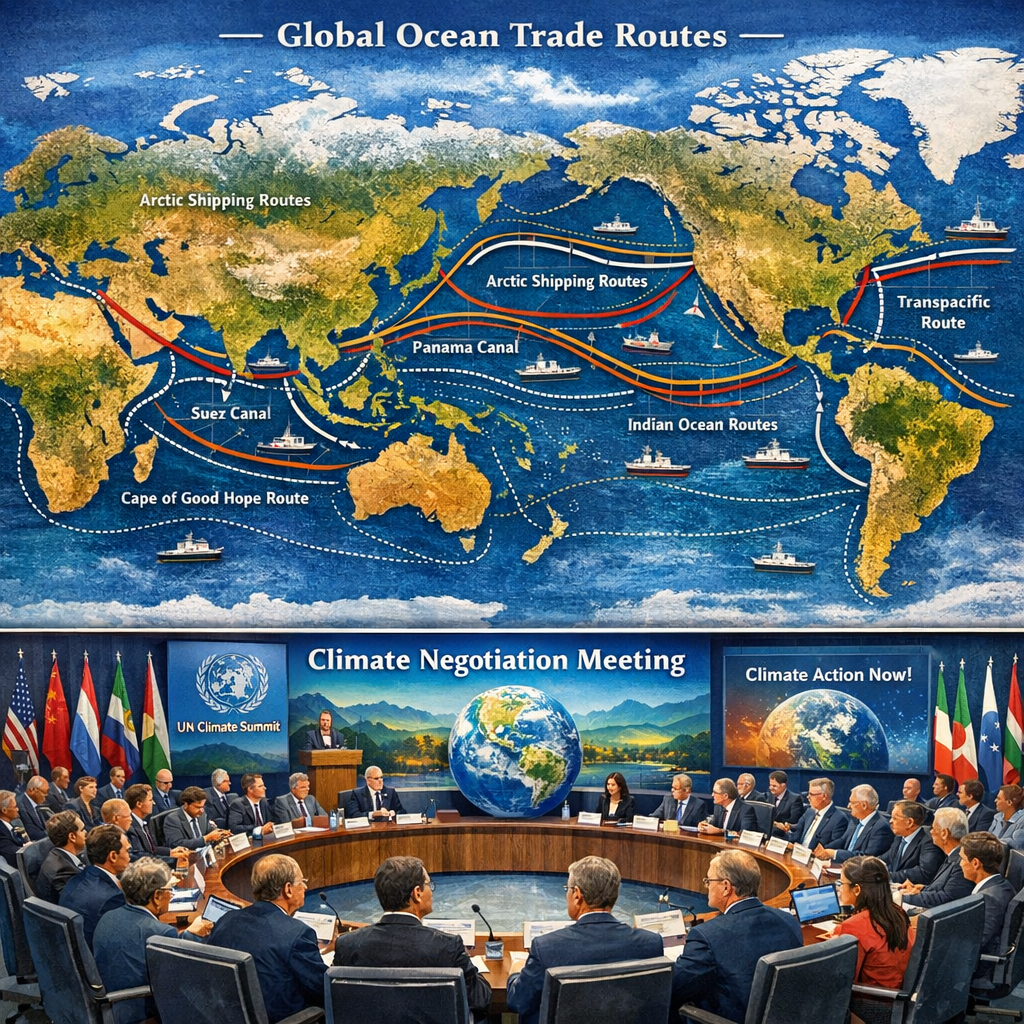
- Trade & Supply Chains: Much of global shipping passes through contested maritime routes. Disruptions there can raise costs for imports—including food, fuels, and consumer goods that reach Puerto Rico.
- Environmental Concerns: Overfishing, pollution, and loss of biodiversity in one part of the ocean can have cascading effects globally.
- Legal Precedents: How the world enforces maritime law and resolves disputes sets templates other states might follow—sometimes to the benefit, sometimes to the detriment, of smaller or less powerful jurisdictions.
The Path Forward: Bridging Gaps, Building Trust
Both climate policy and maritime governance illustrate a shared challenge: governance systems built for cooperation struggle when the incentives are asymmetric or when transparency and trust are weak. Yet there are levers for change:
- Strengthen accountability: Follow through with reporting requirements, close loopholes, and provide support to countries lacking capacity.
- Enable inclusion: Small, vulnerable regions must have sustained representation and access to finance—so their concerns shape global outcomes.
- Support peaceful rules-based frameworks: Agreements like the United Nations Convention on the Law of the Sea matter not just for peace in contested waters, but for the integrity of international law worldwide.
- Encourage multilateral solutions grounded in science: When decisions about climate or territory are based on clear data, they’re harder to politicize and easier to enforce.
These are long, slow processes, but urgency demands momentum. Puerto Rico—and indeed all smaller states—can’t wait while global systems struggle to adapt. What happens in Bonn, Beijing, Manila, or New York reverberates as far as San Juan.