

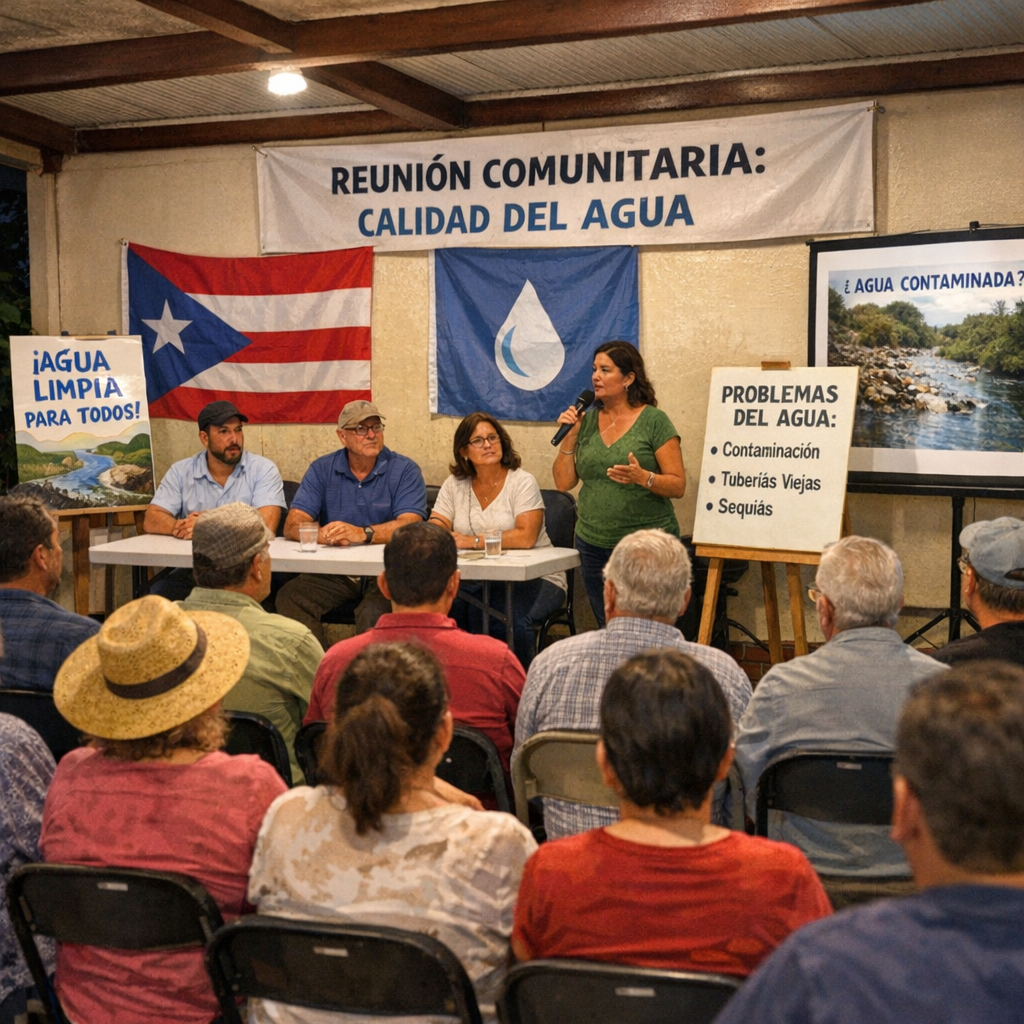
Access to clean and safe drinking water remains a pressing concern for many communities across Puerto Rico. Reports indicate that a substantial portion of the island’s population relies on water systems that have historically violated federal standards, raising health and safety concerns.
In 2015, a study revealed that over 3.4 million residents—approximately 99.5% of Puerto Rico’s population—were served by community water systems that failed to meet the Safe Drinking Water Act’s requirements. These violations included inadequate testing, failure to report issues, and the presence of contaminants such as coliform bacteria and volatile organic compounds.
While efforts have been made to address these challenges, progress has been uneven. Rural areas, in particular, continue to experience intermittent water service and concerns about water quality. For instance, in regions like Utuado, residents have faced disruptions due to faulty infrastructure and electrical outages affecting water delivery and treatment processes.
Community organizations and local initiatives have been instrumental in advocating for improvements and providing immediate assistance. However, systemic issues persist, highlighting the need for comprehensive strategies that include infrastructure investment, stringent monitoring, and community engagement to ensure all residents have access to safe drinking water.
As Puerto Rico continues to navigate these challenges, the resilience and advocacy of its communities remain crucial in striving for equitable access to this essential resource.