

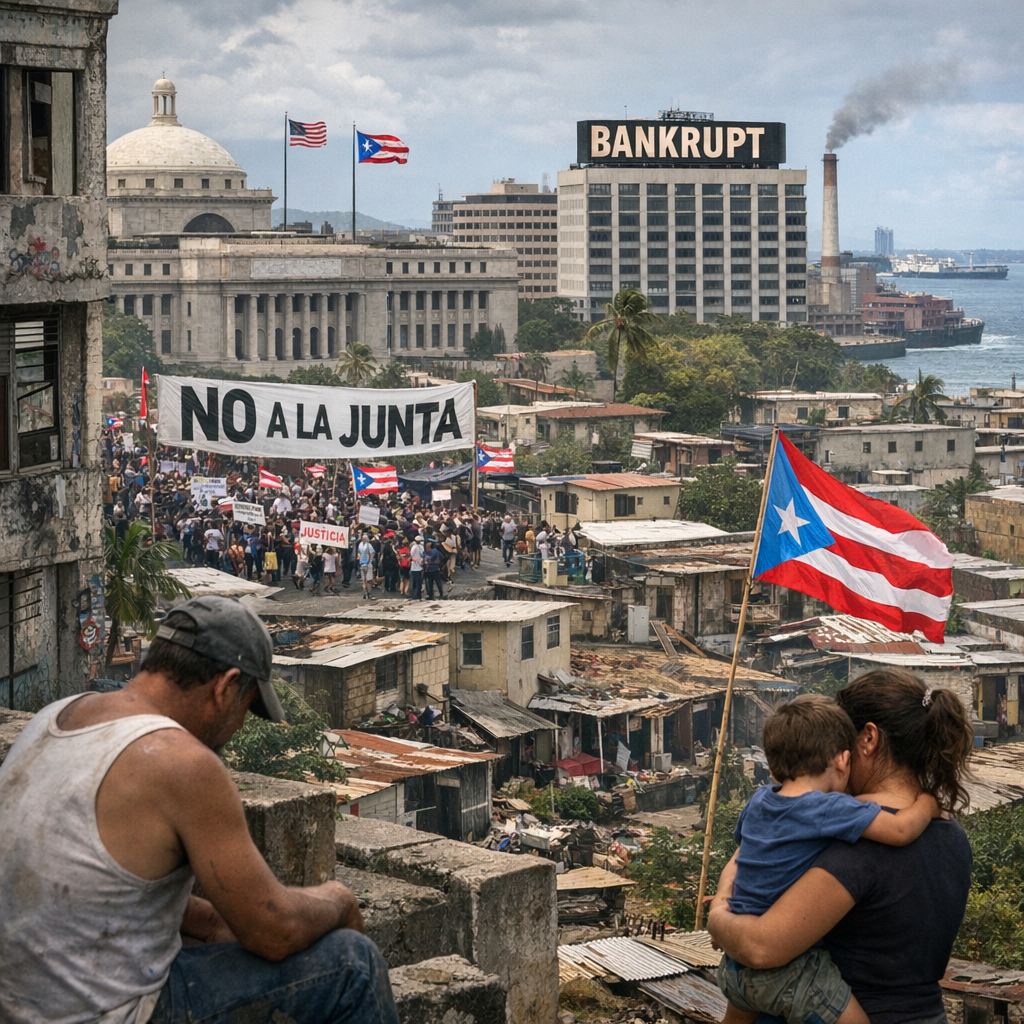
Puerto Rico, an unincorporated territory of the United States, occupies a unique position in the nation’s political and economic landscape. With a population exceeding 3.2 million residents, the island’s relationship with the mainland has been a subject of ongoing discussion and debate.
Political Status and Representation
Since 1917, Puerto Ricans have been U.S. citizens, allowing them to move freely between the island and the mainland. However, the political rights of island residents differ from those on the mainland. While they can participate in presidential primaries, they cannot vote in general presidential elections. Additionally, Puerto Rico sends a non-voting resident commissioner to the U.S. House of Representatives, lacking full congressional representation. This unique status has led to debates over the island’s future, with discussions ranging from statehood to maintaining the current territorial arrangement.
Economic Contributions and Challenges
Economically, Puerto Rico has been a significant player, especially in the manufacturing sector. The island is home to over 100 FDA-approved pharmaceutical facilities, contributing nearly $50 billion in annual production. This robust manufacturing base has made Puerto Rico an attractive destination for companies looking to reshore operations, offering the benefits of operating within a U.S. jurisdiction while maintaining cost efficiencies.
Despite these strengths, the island faces economic challenges. A federal audit released in July 2026 revealed that nearly a decade after Hurricane Maria devastated Puerto Rico’s power grid, only 25% of the $14 billion in federal funds allocated for recovery had been disbursed. Bureaucratic hurdles, staff turnover, and the financial crisis of the Puerto Rico Electric Power Authority have contributed to these delays, hindering the island’s recovery efforts.
Ongoing Debates and Future Prospects
The question of Puerto Rico’s political status remains a contentious issue. While some advocate for statehood, others prefer maintaining the current territorial status or even pursuing independence. The Biden-Harris Administration has adopted a comprehensive approach to support Puerto Rico’s economic recovery, emphasizing a whole-of-government strategy to address the island’s unique challenges. This includes addressing the severe fiscal crisis, population decline, and vulnerability to climate change.
As discussions continue, the future of Puerto Rico’s relationship with the United States remains uncertain. However, the island’s contributions to the nation’s economy and its unique cultural heritage ensure that it will remain a vital part of the American narrative.