

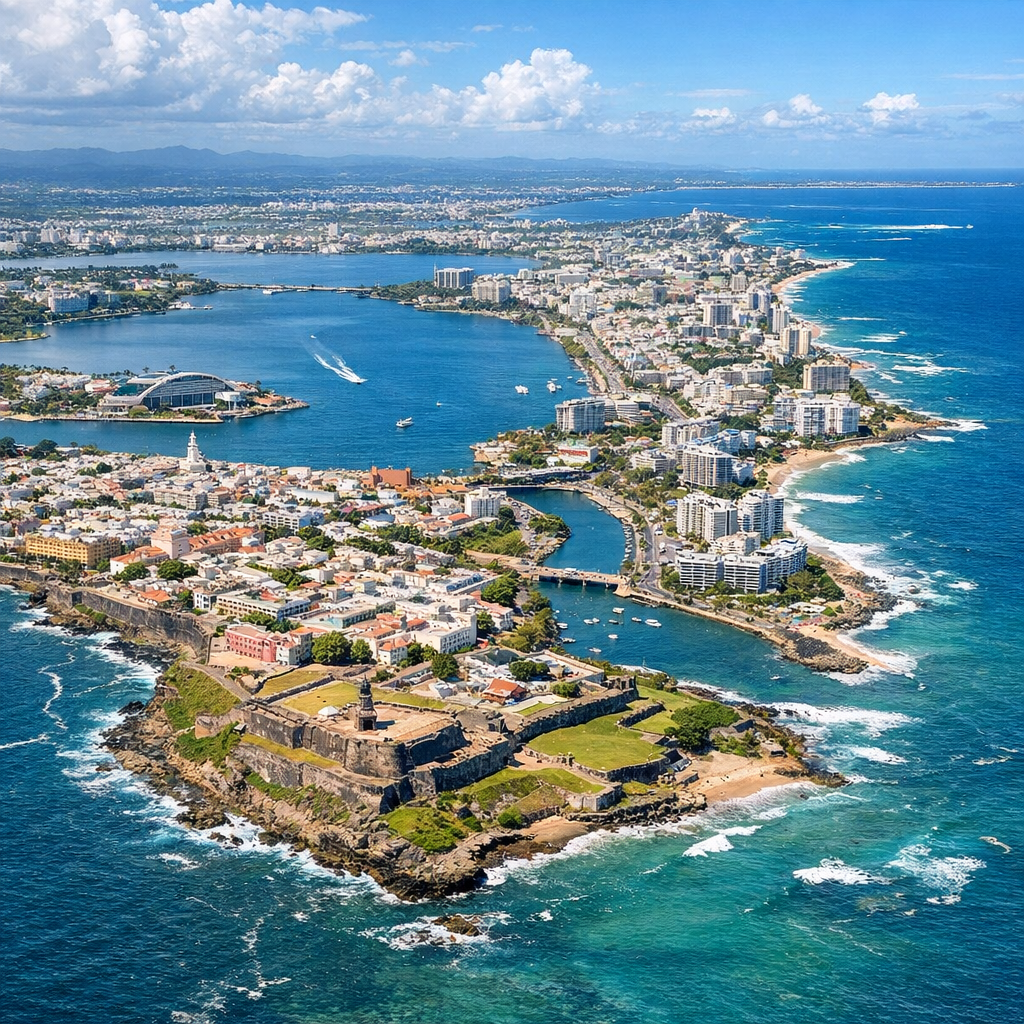
Puerto Rico, an unincorporated territory of the United States, occupies a distinctive position within the nation’s political and economic landscape. While its residents are U.S. citizens, they lack voting representation in Congress and cannot vote in presidential elections, highlighting the complexities of the island’s political status.
Political Status and Representation
Since becoming a U.S. territory in 1898, Puerto Rico has experienced a unique political journey. The island’s residents were granted U.S. citizenship in 1917, yet they do not have voting representation in Congress and cannot participate in presidential elections. This arrangement has led to ongoing debates about the island’s political future, with discussions centered around statehood, independence, or maintaining the current commonwealth status.
Economic Contributions and Challenges
Economically, Puerto Rico plays a vital role in the U.S. economy. The island has a robust manufacturing sector, particularly in pharmaceuticals, with over 100 FDA-approved facilities contributing nearly $50 billion annually. This makes Puerto Rico the leading pharmaceutical manufacturing jurisdiction in the United States. Additionally, the island’s strategic location and established infrastructure have attracted companies seeking to reshore operations, offering a cost-effective alternative within U.S. jurisdiction.
However, Puerto Rico faces significant economic challenges. The island has been grappling with a substantial debt crisis, with debt exceeding $70 billion. Factors contributing to this crisis include the loss of federal tax provisions, natural disasters, and population decline. These issues have prompted discussions on the need for structural reforms and potential changes to the island’s political status to foster economic stability and growth.
Looking Ahead
As Puerto Rico continues to navigate its complex relationship with the United States, understanding its unique political status and economic contributions is essential. The island’s future will likely be shaped by ongoing debates over its political status and efforts to address economic challenges, with implications for both Puerto Rico and the broader United States.