

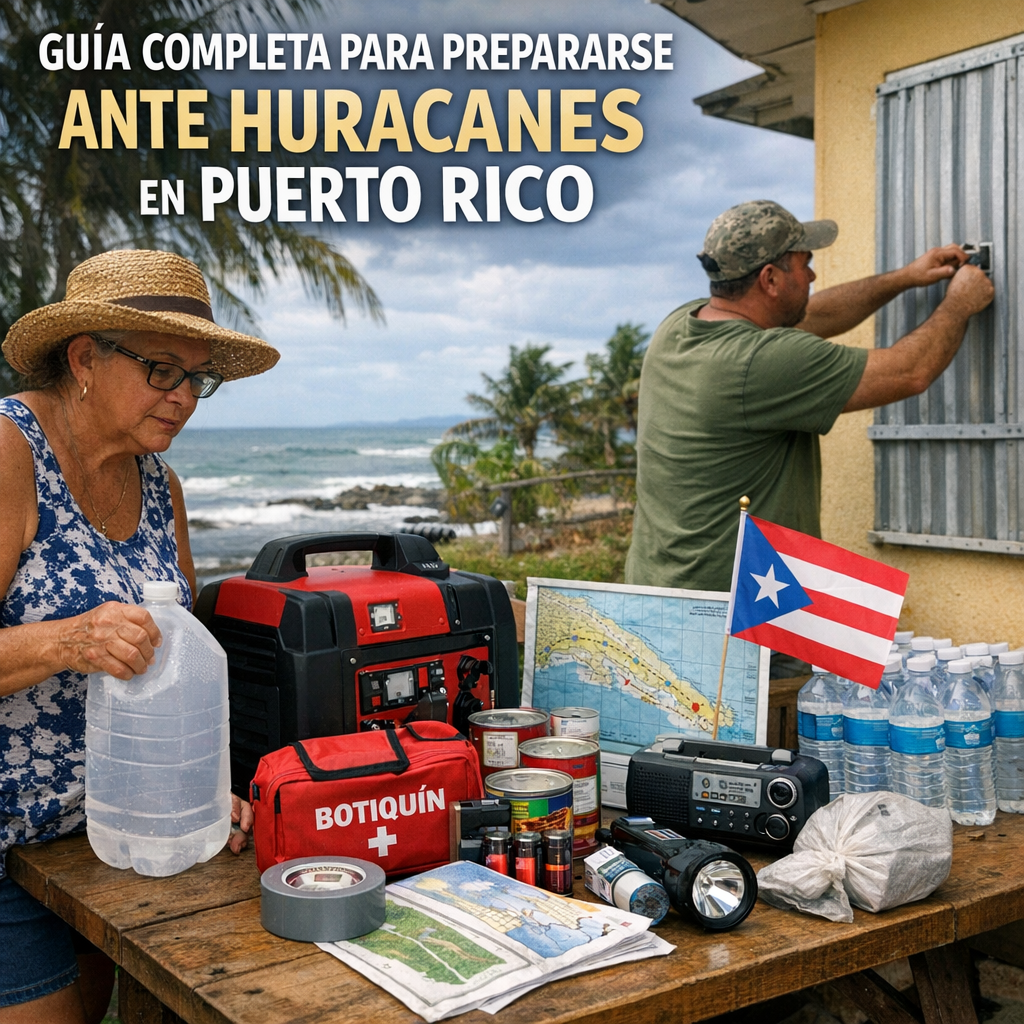
As residents of Puerto Rico, we are all too familiar with the challenges posed by hurricane season, which officially runs from June 1st to November 30th. While we cannot prevent these natural events, thorough preparation can significantly mitigate their impact on our lives and property.
Understanding Hurricane Season
Hurricanes are powerful tropical cyclones that can cause extensive damage through high winds, heavy rainfall, flooding, and landslides. The peak of hurricane activity typically occurs between August and October, with September 10th often marking the height of the season. However, it’s crucial to remain vigilant throughout the entire period, as storms can develop at any time during these months.
Developing a Family Emergency Plan
Creating a comprehensive emergency plan is vital. Discuss and assign responsibilities among family members, establish communication protocols, and identify safe locations within your home. Ensure that everyone knows the nearest emergency shelters and evacuation routes. Regularly review and practice this plan to ensure everyone is prepared.
Assembling an Emergency Kit
A well-stocked emergency kit can be a lifesaver during and after a hurricane. Your kit should include:
- Non-perishable food and water to last at least ten days for each family member.
- First aid supplies, including necessary medications.
- Important documents stored in waterproof containers.
- Flashlights, batteries, and a battery-powered or hand-crank radio.
- Personal hygiene items and sanitation supplies.
- Cash, as ATMs and credit card systems may be unavailable.
- Special needs items for infants, elderly family members, or pets.
Securing Your Home
Protecting your property is essential to minimize damage. Consider the following measures:
- Install storm shutters or board up windows and doors to protect against flying debris.
- Secure or store outdoor furniture, decorations, and other loose items that could become projectiles.
- Trim trees and shrubs to reduce the risk of branches causing damage.
- Inspect your roof, doors, and windows for vulnerabilities and make necessary repairs.
Staying Informed
Keep abreast of weather updates and emergency instructions from reliable sources such as the National Weather Service and local authorities. Sign up for community alert systems and have a battery-powered radio to receive information during power outages.
After the Storm
Once the hurricane has passed, exercise caution when venturing outside. Be aware of potential hazards such as downed power lines, flooding, and structural damage. Avoid driving through flooded areas and report any emergencies to local authorities. Check on neighbors, especially the elderly or those with special needs, and offer assistance if possible.
By taking proactive steps and staying informed, we can enhance our resilience and ensure the safety of our families and communities during hurricane season.